Overview · Bastiaan Woudt
PEAK
Overview
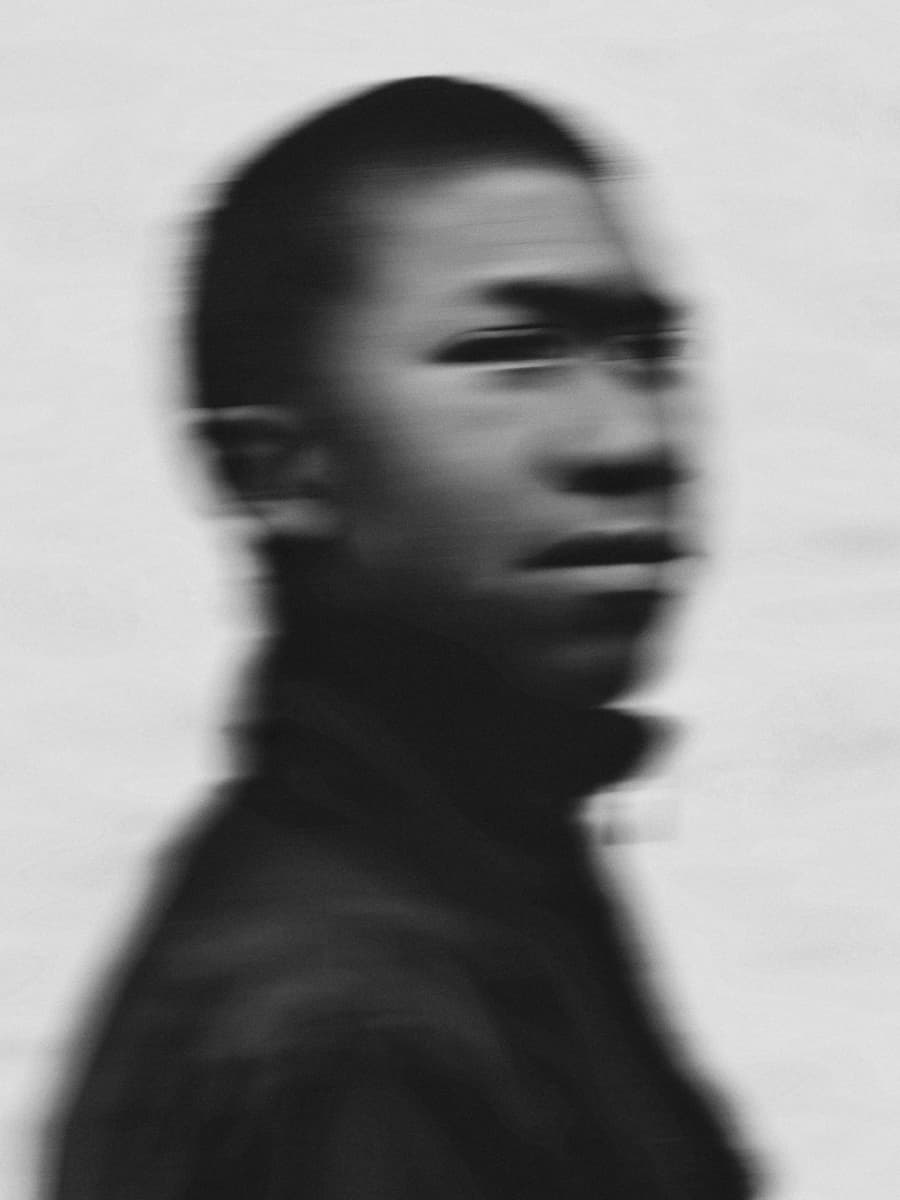
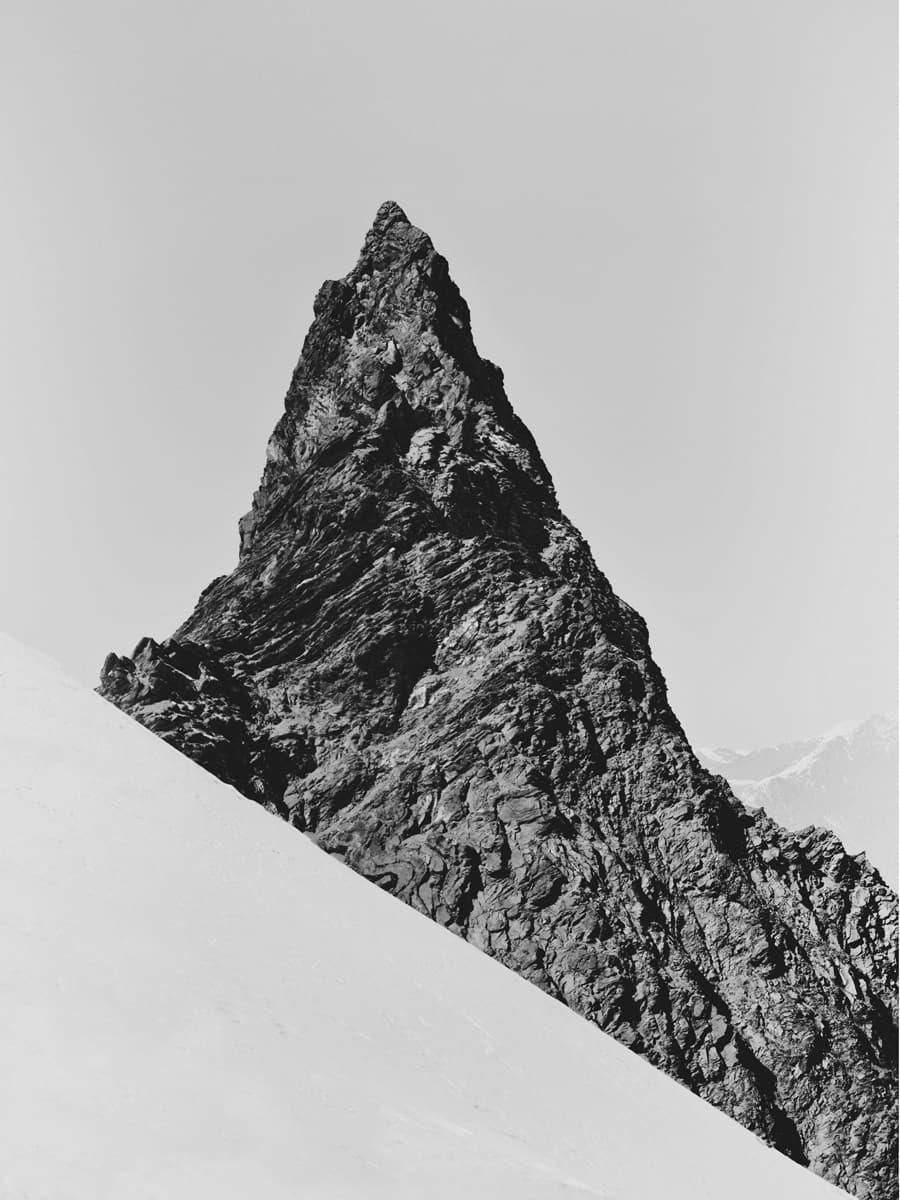
Peak is a visual journey into the heart of the Himalayas. More than a record of landscape, it is an exploration of endurance, solitude and human connection at altitude.
The series
A selection from the series
On the wall
One framed example per available format
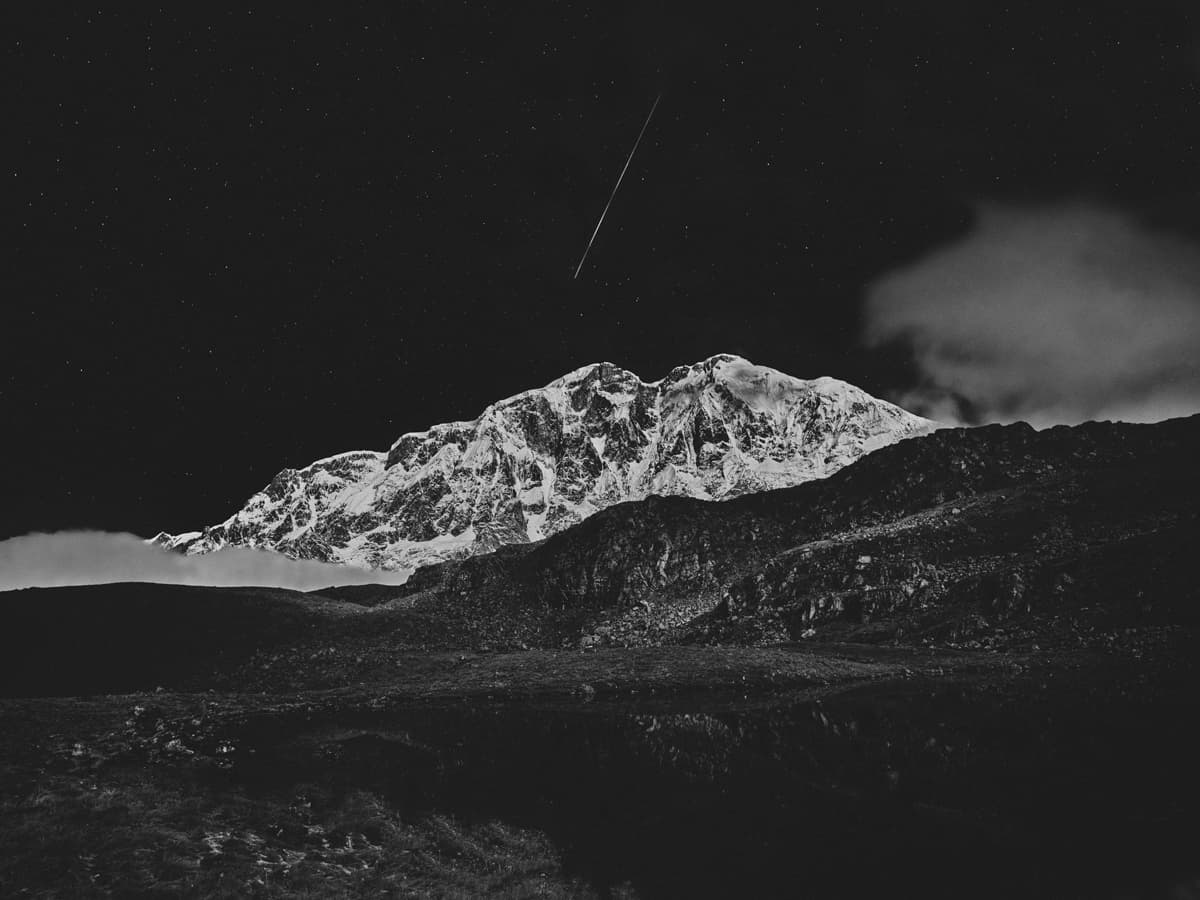
30 x 40 cm
Ed. 10 + 2 AP
45 x 60 cm
Ed. 10 + 2 AP
90 x 120 cm
Ed. 10 + 2 AP
Pricing
All works are produced in strictly limited editions of 10 + 2 artist proofs. Prices are per signed, numbered print. Print-only is the bare print; framed includes museum-grade framing, passe-partout, UV glass and the mounted certificate of authenticity. All prices include 9% Dutch tax.
| Format | Print only | Framed, incl. 9% Dutch tax |
|---|---|---|
| 30 x 40 cm | € 1.750 | € 2.250 |
| 45 x 60 cm | € 3.250 | € 4.000 |
| 90 x 120 cm | € 6.250 | € 7.800 |
| 135 x 180 cm | € 14.650 | € 18.500 |
About the series
Peak is a visual journey into the heart of the Himalayas — a body of work that captures the raw power of the mountains and the quiet resilience of the people who inhabit them. More than a record of landscape, it is an exploration of endurance, solitude, culture, and human connection at altitude.
The Journey
Woudt's fascination with being in the mountains grew after standing at the 5,895-meter peak of Mount Kilimanjaro, the highest mountain in Africa. It was this fascination that led him, at the end of 2018, to contact Snow Leopard — a company that organizes expeditions to the world's highest peaks, founded and run by René de Bos, the first Dutchman to climb Mount Everest. Because of his domestic situation — happily married with four children — and the lack of extreme climbing experience, conquering the highest peaks was never the goal. But being there, walking the same paths as the great climbers, and looking from the halfway point to think what if — that was everything.
The search for the right destination led to the Annapurna — the 55-kilometer-long massif that includes Annapurna I, which at 8,091 meters is the world's 9th highest peak. After consulting with René, they chose not to go to Everest: busy, commercial, and photographically perhaps not as interesting as it was 30 years ago. Instead, they took what locals call "the hard way" — a 26-day walk away from the crowds, away from all tourists, and for the most part away from all basic comforts. His brother Aryan came along — a once-in-a-lifetime opportunity to share this adventure. Supported by a team of porters, guides, and a cook who set up camp on the slopes and carried food for the trip, they trekked through the most remote areas, pitching tents at heights above 5,000 meters. For days on end they met no one, except the occasional local mountain dwellers.
The route began in warm, humid jungle and ascended through roughly 3,000 meters to snow, mist, and treacherous mountain passes such as the Namun La. Woudt describes the expedition as one of the greatest adventures of his life and career — physically gruelling but creatively transformative.
Peak was not about conquering summits. It was about experiencing the mountains on their own terms — through the eyes of those who call them home. As Robert McFarlane writes in Mountains of the Mind: "The true blessing of the mountains is not that they provide a challenge or a contest, something to be overcome and dominated. It is that they offer something gentler and infinitely more powerful: they make us ready to credit marvels — whether it is the dark swirl which water makes beneath the plate of ice, or the feel of soft belts of moss which form on the lee sides of boulders. Being in the mountains reignites our astonishment at the simplest transactions of the physical world."
Collecting
What you can expect when you acquire a work from Studio Woudt.
Editions
Strictly limited editions, numbered and signed by the artist. Once closed, an edition is never reprinted.
Printing
Archival pigment prints on museum-quality paper, produced with one specialised fine art printing studio. Every print is individually inspected.
Framing
Museum-grade wooden frames with UV-protective glass, acid-free mounting and a passe-partout sized to the work.
Worldwide shipping
Fully insured shipping. Within Europe delivered and installed in person; outside Europe flown in custom fine-art crates.
Interested?
Reach out for availability, a shipping quote or a personal proposal. We respond within one working day.
Studio Woudt · Hazenkoog 9, 1822 BS Alkmaar · janneke@bastiaanwoudt.com